
Industrial Real Estate and Private Lending: Why Warehouses Are Now Prime Collateral
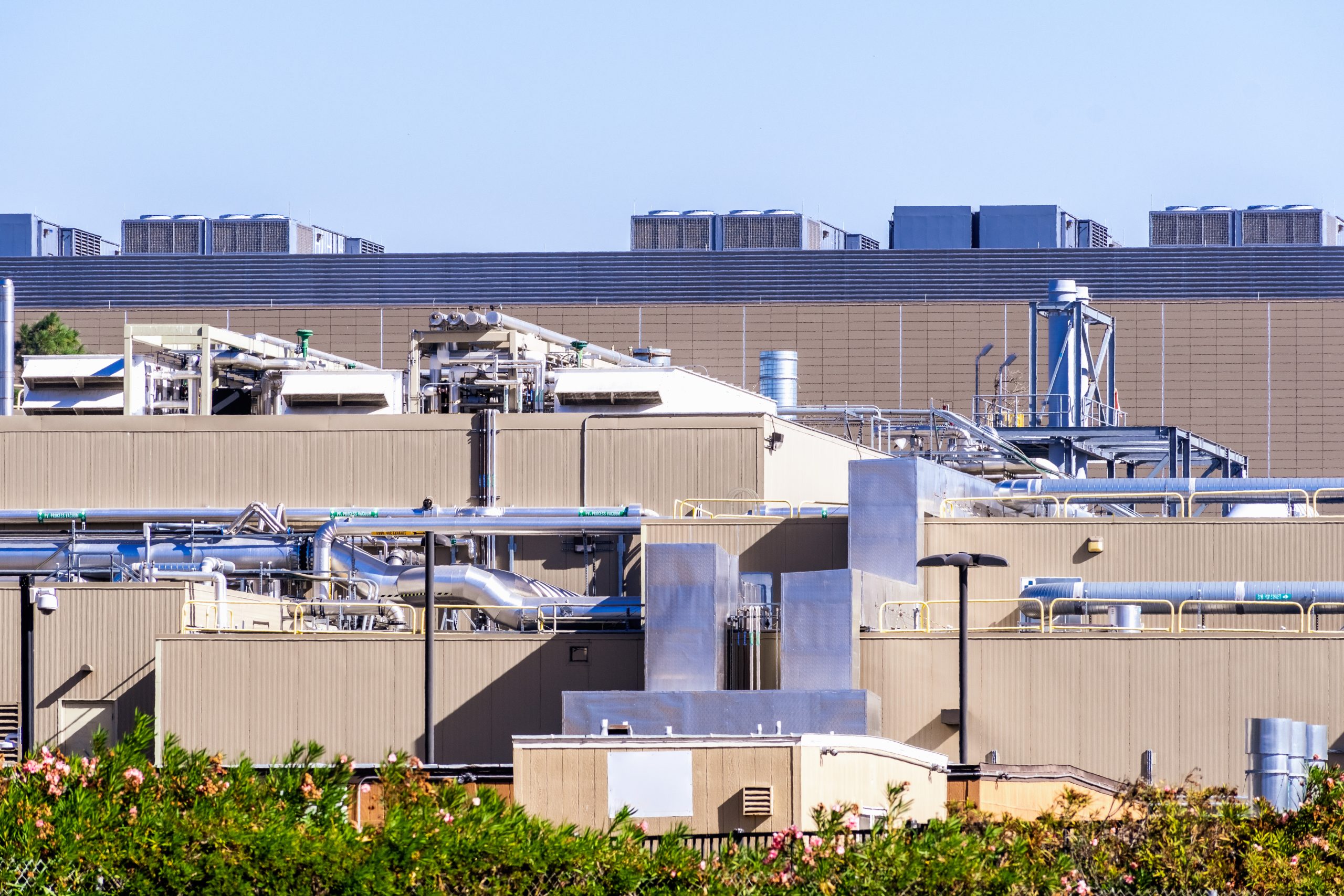
A decade ago, industrial real estate was an afterthought for most capital allocators — unglamorous spaces occupied by manufacturers and distributors. Driven by e-commerce logistics demand, supply chain restructuring, and near-shoring trends, industrial has become consistently the strongest-performing major commercial real estate sector. Private lenders have followed the fundamentals, and industrial properties now rank among the most attractive bridge loan collateral available — with important caveats about the supply cycle correction currently working through the market.
What Drove Industrial’s Structural Rise
Why has industrial real estate become so valuable as loan collateral?
E-commerce created structural demand that traditional retail distribution never generated. Fulfilling an online order requires approximately three times more warehouse space per dollar of sales than brick-and-mortar retail distribution — because e-commerce demands forward-positioned inventory across multiple geographic locations, returns processing infrastructure, and individual-item picking rather than pallet-level distribution.
This ratio has moderated somewhat as fulfillment technology has improved since the original estimates emerged in 2017, but the directional difference remains large and well-documented. National third-party logistics providers — XPO, Ryder, GXO, Prologis — expanded warehouse footprints dramatically to serve e-commerce clients throughout the 2015–2022 period.
One important correction to the frequently cited narrative: Amazon’s industrial footprint did not simply grow continuously through this period. Amazon significantly over-expanded during the 2020–2021 COVID surge and spent 2022–2023 contracting — subleasing millions of square feet and pausing new facility openings. By 2024–2025, Amazon resumed measured expansion at a more disciplined pace. The e-commerce demand driver is real, but the story is more complex than uninterrupted growth.
Industrial Cap Rate Performance — With the 2026 Update
What has happened to industrial cap rates and valuations through the current market correction?
Industrial cap rates compressed from approximately 6.5–8% in 2015 to 4.0–5.5% at peak 2021, reflecting strong NOI growth alongside the broader rate-driven compression that affected all commercial property types. Unlike office and retail — where cap rate compression was primarily rate-driven and therefore reversed sharply in 2022–2023 — industrial cap compression was substantially driven by genuine rent growth, real income improvement in the underlying assets.
Since the rate cycle peak, industrial cap rates have partially expanded. Current Inland Empire Q2 2026 data from Kidder Mathews shows average cap rates at approximately 6.0% — above the 2021 trough but well below pre-2015 levels, reflecting the market’s recognition that the demand fundamentals are durable even if peak pricing was excessive.
The industrial sector has been meaningfully less impaired than office or retail through the 2022–2024 correction, but it hasn’t been immune. Rent growth that peaked in 2022–2023 has reversed in many markets, with asking rents declining 4–5% year-over-year in some submarkets as new supply delivered into a moderated demand environment. Understanding the current cycle position matters as much as the long-term demand thesis for any specific loan being underwritten today.
Why Industrial Tenants Appeal to Private Lenders
What makes industrial tenants attractive from a private lending perspective?
Industrial tenants tend to be creditworthy and long-term committed — characteristics that directly affect exit strategy viability for bridge loan borrowers.
National logistics and e-commerce operators — Amazon, FedEx, Home Depot distribution, UPS — sign leases of 5–15 years. These represent the gold standard of tenant quality, providing stable income streams that support refinancing into permanent debt. Regional manufacturers and distributors typically sign 5–7 year leases, often with personal guarantees from business owners providing additional credit support. The mechanics of personal guarantees in commercial lease contexts — and how they affect a lender’s recovery options — matter particularly in single-tenant industrial situations.
Tenant improvement costs in industrial are dramatically lower than in office. An industrial tenant typically needs loading dock access, adequate electrical power, and appropriate clear height rather than the expensive interior buildout that office tenants require. Lower improvement costs mean faster re-leasing after vacancy and lower exposure to the capital drain that follows tenant defaults in more improvement-intensive asset classes.
Where Private Bridge Loans Fit in Industrial
What types of industrial transactions use private bridge financing?
Private bridge lending serves industrial real estate in several specific scenarios, each with different risk profiles:
Acquisition bridge loans allow buyers to close quickly on industrial properties before arranging permanent financing — particularly useful for off-market deals where sellers prioritize speed and certainty over price. This is the cleanest bridge loan use case: stabilized asset, defined exit to permanent financing, short timeline.
Value-add bridge loans finance repositioning of older, lower-clear-height industrial buildings through upgrades to loading docks, power infrastructure, and ceiling heights. Risk is higher here than acquisition bridges — the loan depends on execution of the improvement plan and the market’s willingness to pay higher rents for the upgraded product.
Construction and land entitlement bridge loans fund speculative industrial development in supply-constrained markets. These carry construction completion risk, absorption risk, and timeline risk simultaneously — the most complex industrial bridge loan type and the one requiring the most conservative LTV and most experienced sponsor.
Below-threshold acquisitions in the $5–$20 million range that fall below CMBS and agency minimum size requirements use private bridge financing because institutional alternatives simply aren’t available at that loan size.
Underwriting Industrial Properties — The Physical Metrics That Drive Value
What physical characteristics do private lenders evaluate when underwriting industrial properties?
Industrial underwriting requires evaluating physical attributes that directly determine which tenants will pay rent for the building and at what rate — a different analysis from underwriting office or multifamily where square footage and location dominate.
Clear height is the most consequential physical characteristic: the usable vertical space from the finished floor to the lowest obstruction. Modern last-mile logistics facilities require 36–40 foot clear heights to accommodate high-density racking systems; mid-bay distribution facilities operate at 28–32 feet. Buildings with 18–24 foot clear heights command 15–25% lower rents per square foot and can’t compete for the national logistics tenants that represent the most creditworthy demand. Functional obsolescence due to clear height is a real and current risk in older industrial stock.
Dock door ratio — loading dock doors per 10,000 square feet of building area — determines how many trucks a facility can simultaneously handle, directly affecting which distribution operations can use the building. A facility with inadequate dock doors can’t serve high-velocity logistics tenants regardless of its other characteristics.
Power infrastructure increasingly matters as e-commerce fulfillment becomes more automated and as EV charging requirements for truck fleets expand. Buildings with inadequate amperage face costly retrofits that can eliminate the economics of a value-add bridge loan if not accounted for in the original renovation budget.
How property appraisals work in private real estate lending covers how appraisers approach functional obsolescence in commercial properties — particularly how clear height limitations get reflected in comparable adjustments and how lenders should evaluate appraisals that may underweight physical obsolescence in optimistic market environments.
When lending against income-producing industrial properties, debt yield as a supplementary underwriting metric provides the most direct measure of whether the property’s actual income supports the loan amount — independent of cap rate assumptions that can diverge significantly from market reality during periods of rapid value adjustment.
The Inland Empire in 2026: An Honest Assessment
What is the current state of the Inland Empire industrial market for private lending?
The Inland Empire — Riverside and San Bernardino counties east of Los Angeles — remains one of the largest industrial real estate markets in the United States, with approximately 650 million square feet of inventory serving as the primary distribution hub for the Los Angeles basin.
The honest 2026 picture differs significantly from the framing this article would have used in 2022. According to Cushman & Wakefield’s Q2 2026 Inland Empire market data, industrial vacancy reached 8.8% in Q2 2026 — up from below 2% at the 2022 trough. Net absorption remained negative through mid-year 2026, with 3.8 million square feet of occupancy losses. Asking rents declined from their 2023 peak, with Kidder Mathews reporting average rents of $0.98 NNN per square foot in Q2 2026, down from $1.03 a year earlier.
This is not a market in crisis — it’s a market working through a supply correction after a period of aggressive speculative development. New construction deliveries have slowed sharply, vacancy has stabilized relative to its rapid rise in 2023–2024, and leasing activity for Q1 2026 showed a 40% year-over-year increase per CBRE. The structural demand from the Los Angeles consumption market and Pacific trade entry point remains intact.
For private lenders, the current Inland Empire environment demands underwriting calibrated to 2026 fundamentals — current rents, current cap rates, current absorption pace — not 2022 peak assumptions. A bridge loan underwritten to a $0.98 NNN rent on current conditions is a materially different risk than one underwritten to $1.30 peak rents with a 2022 comparable basis.
Risks Worth Watching in Industrial Lending
What are the primary risks in industrial real estate private lending in 2026?
Overbuilding in specific markets. The US industrial market 2026 overview shows national vacancy stabilizing at 7–7.5%, with significant dispersion by submarket. Phoenix, Dallas, and parts of the Southeast saw vacancy rise from sub-2% to 10%+ in 24 months as speculative supply exceeded absorption. Phoenix is now recovering faster than expected due to CHIPS Act-driven semiconductor manufacturing demand; other markets are working through excess supply more slowly.
Functional obsolescence risk. Older industrial stock with clear heights below 24 feet, inadequate dock door ratios, or insufficient power faces structural disadvantage competing for modern logistics tenants. Value-add bridge loans against functionally obsolete buildings require realistic renovation budgets and honest market analysis of whether the market will pay sufficient rents post-improvement to justify the total cost.
Single-tenant concentration risk. A building with one tenant generating 100% of income faces total income interruption if that tenant vacates. National tenants with investment-grade credit (Amazon, FedEx, UPS) mitigate this risk significantly; regional tenants without strong lease covenants or personal guarantee support create a binary income picture that lenders should price and LTV accordingly.
Exit strategy viability in a soft market. A value-add bridge loan with a 12-month timeline that planned to exit into permanent financing at a 5.5% cap rate faces a different market if cap rates have expanded to 6.5% during the loan term. Underwriting exit strategy viability at current market cap rates — rather than assuming cap rate compression will resume — is the discipline that real estate market cycle awareness requires, particularly in the late-correction to early-recovery environment where industrial sits in 2026.
What Fund Investors Should Look for in Industrial Loan Exposure
What due diligence questions should investors ask about industrial loan exposure in a private lending fund?
The fundamental question — how does the first-lien collateral position protect investor capital in an adverse scenario — applies to industrial as it does to any property type. Senior secured debt and collateral priority covers this framework, and industrial’s tangible, functional collateral with established buyer liquidity generally supports strong recovery mechanics relative to more specialized property types.
Three industrial-specific questions matter in the current environment:
What vintage are the underwriting assumptions? A loan on an Inland Empire industrial property underwritten in 2022 at sub-3% vacancy and $1.25 NNN rents sits in a different position today than those assumptions suggest. Ask specifically whether the fund has refreshed collateral valuations to reflect current 2026 market conditions.
What are the clear height characteristics of the industrial properties in the portfolio? Exposure concentrated in pre-2000 industrial stock with 20–24 foot clear heights carries meaningful functional obsolescence risk that won’t show up in a headline LTV figure based on a 2022 appraisal.
What is the tenant credit profile for single-tenant industrial loans? National investment-grade tenants, regional creditworthy businesses with personal guarantee support, and speculative lease-up situations represent meaningfully different risk profiles that aggregate portfolio statistics can obscure.
Takeaway
Industrial real estate earned its reputation as strong private lending collateral through a decade of demonstrated demand durability and superior NOI performance relative to other commercial property types. The 2022–2026 supply correction has moderated cap rates and rents from their peaks but hasn’t undermined the structural demand story.
Private lenders underwriting industrial loans in 2026 face a different environment than 2022 — one requiring current-market appraisals, conservative rent assumptions, and honest assessment of clear height and functional adequacy. Well-underwritten industrial bridge loans at appropriate LTV for current market conditions represent legitimate collateral. Loans underwritten to peak assumptions against functionally limited assets in oversupplied submarkets represent a different risk category, regardless of what the property type label says.
Latest posts
Blog page
Interest-Only Loans in Private Lending: How They Work and Why Lenders Use Them
Most loans people deal with day to day — a mortgage, a car loan, a student loan — are amortizing. Every payment chips away at both interest and principal, so the balance shrinks a little every month. Private real estate loans mostly don’t work that way. Most bridge and short-term loans are interest-only, with the […]

Real Estate Debt vs. the Stock Market: Why Income Stability Is Worth More Than It Looks
When stocks are up 20% for the year, a 9–10% fixed income return from private real estate debt looks almost boring by comparison. That comparison is also incomplete. It only looks at where each investment ends up, not the ride it took to get there — and for anyone actually living off their portfolio, the […]